24/7 Emergency Line Open
Water Softener and Hard Water Treatment in Rio Verde, AZ
White crust on the faucet, spotty dishes and a water heater that rumbles are the hard water signature. A softener treats the cause, and a plumber serving your area can test the water, size a system and install it where the plumbing allows.
Call (480) 806-2944 All plumbing services
- Licensed and insured plumbers
- Same-day service when available
- 24/7 emergency dispatch
Hard water: what it is and what it leaves behind
Hard water carries dissolved calcium and magnesium. They are harmless to drink, but they come out of solution when water is heated or evaporates, and they leave scale. The scale builds on heating elements, inside pipes, on fixtures and on glass.
EPCOR's 2022 water quality report gives Rio Verde water a hardness of 11 grains per gallon. That falls in the hard range, so homes on that supply tend to see the effects. A home on a private well or hauled water has different water, and the number can be higher or lower.
Source: EPCOR system report with hardness figures (accessed 2026-11-06).
| Where | What you see | What it costs you |
|---|---|---|
| Water heater | Scale on elements, rumbling, slow recovery | Shorter heater life and higher energy use |
| Fixtures | White crust, clogged aerators and shower heads | Cleaning time and weaker flow |
| Dishes and glass | Spots and film | Extra rinsing and polishing |
| Laundry | Stiff fabric, faded colors | More detergent |
| Pipes | Narrowing from scale buildup | Lower flow over many years |
Softener, filter or both
People use the words loosely, but the equipment does different jobs. A softener removes hardness minerals through ion exchange. A sediment filter catches grit. A carbon filter reduces chlorine taste and odor. A reverse osmosis unit at the kitchen sink polishes drinking water.
- Softener: for scale, stiff laundry and heater wear
- Sediment filter: for grit and cloudiness
- Carbon filter: for taste and odor
- Reverse osmosis: for drinking and cooking water at one tap
A whole house RO system treats every tap but is a large installation, while an under-sink unit handles drinking water only. An ice machine water filter, usually a carbon cartridge on the supply line to the fridge or ice maker, takes taste and odor out of the ice without any larger system.
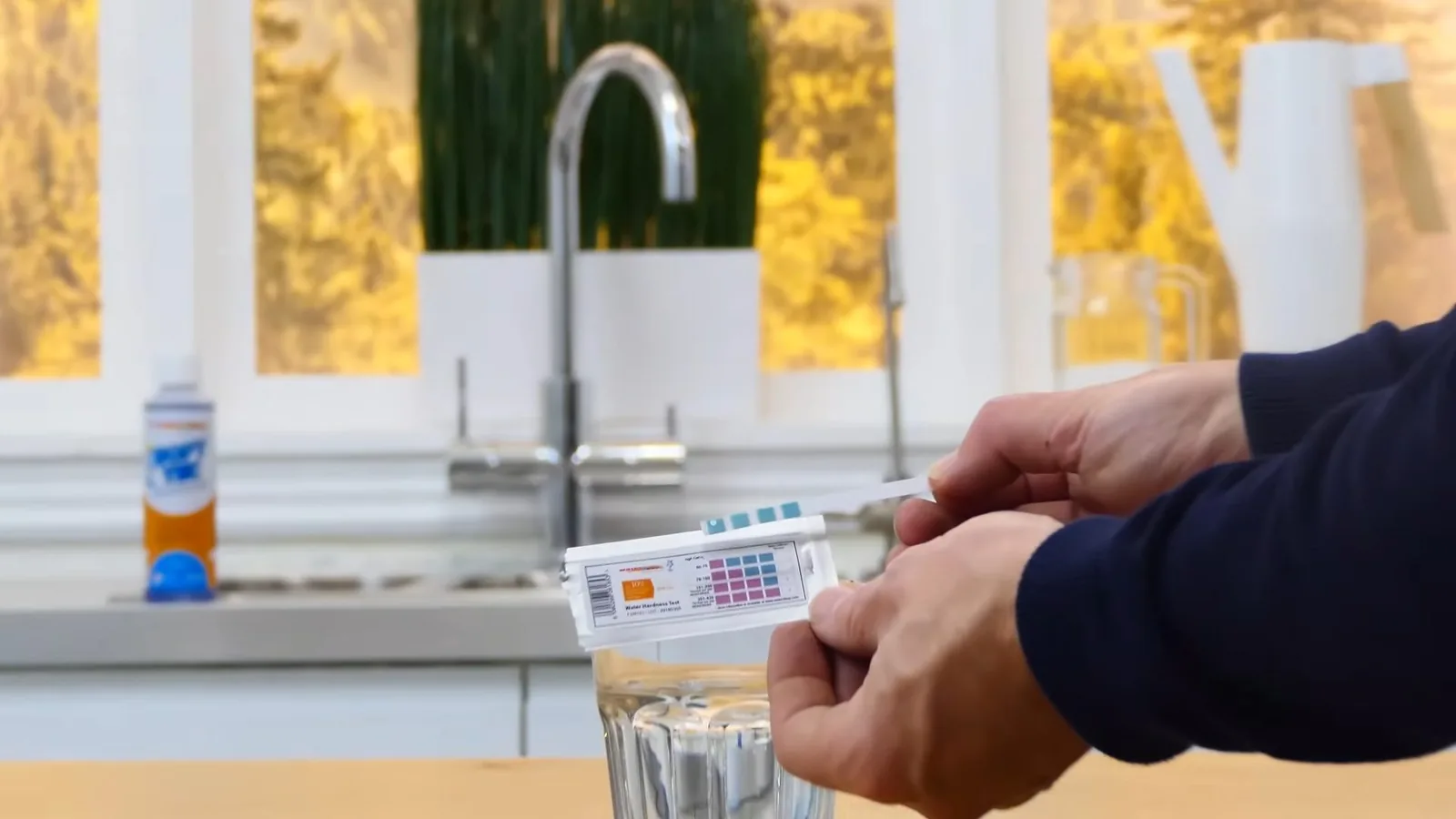
Test first. The result tells you whether hardness is the main issue or whether iron, sediment or something else needs attention. Treating the wrong problem wastes money.
Fighting scale on every fixture? Ask about a hardness test.
Book a visit to test the water and look over the plumbing.
Call (480) 806-2944Installing a softener: what the plumber looks at
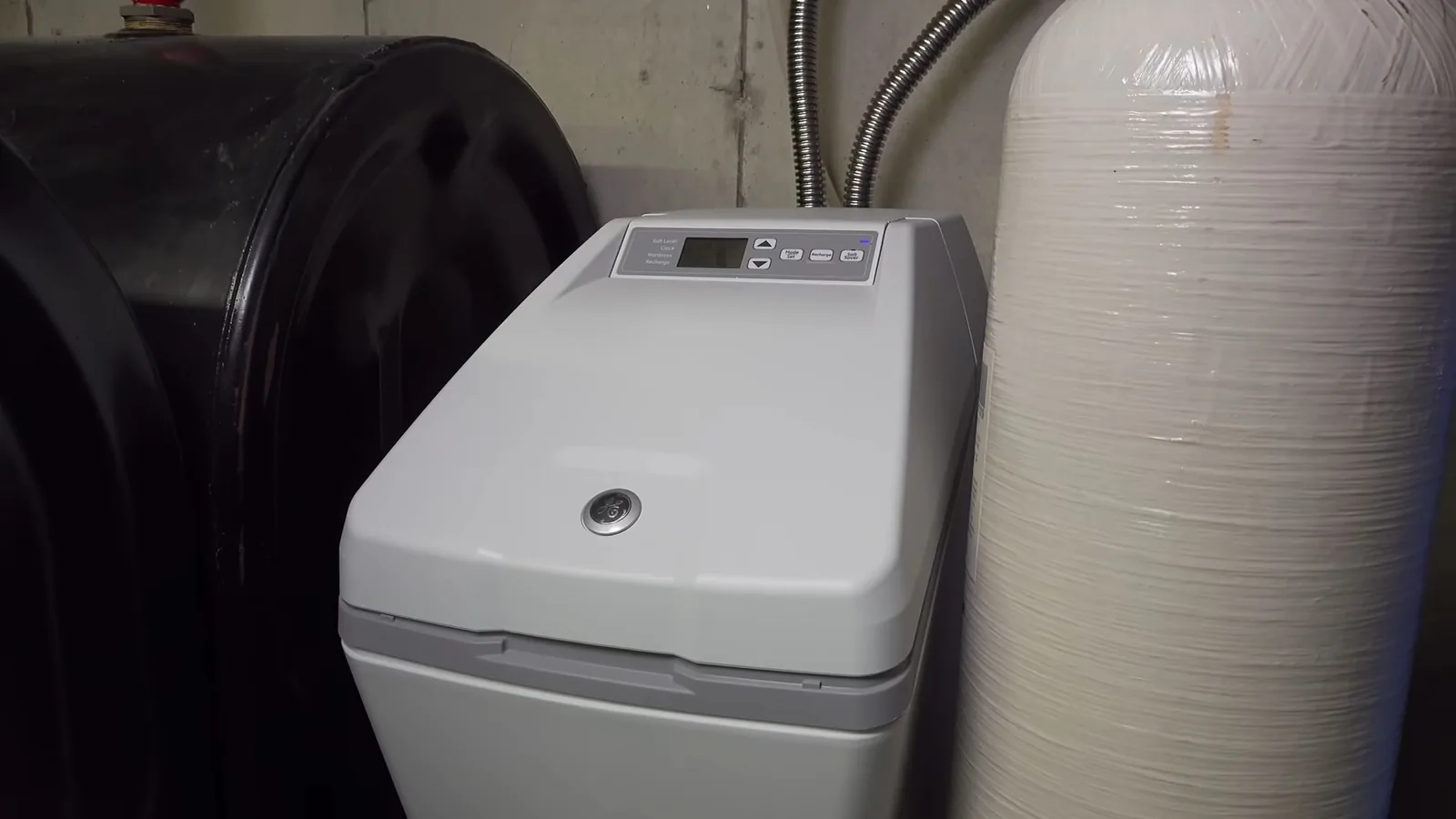
A softener sits where the main water line enters the house, before the water heater. The plumber needs space for the tank and the brine tank, a power outlet, a drain for the regeneration water and a bypass so the unit can be isolated for service.
- Test the water and size the system to the hardness and household use.
- Pick a location on the main line before the water heater.
- Install a bypass valve and run the drain line for regeneration.
- Connect power and program the regeneration schedule.
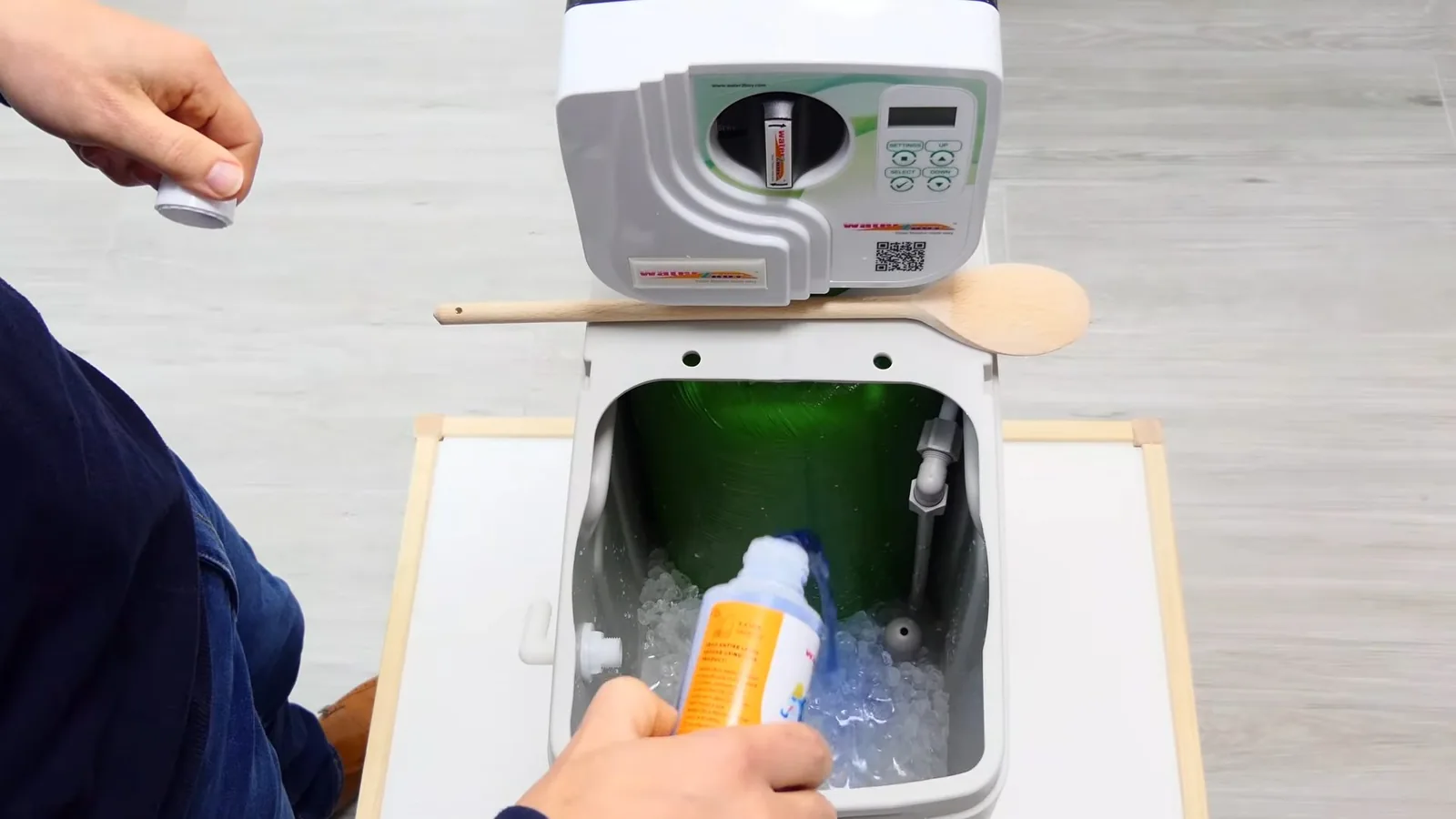
- Fill the brine tank with salt and check the system for leaks.
Size matters. A system that is too small regenerates too often and wastes salt and water, while one that is too large sits idle and can go stale. Household size, the hardness reading and the number of bathrooms drive the sizing, and the plumber should show the arithmetic behind the number.
Outdoor spigots are usually left on untreated water so you are not softening water for the garden. The plumber plans the tie-in accordingly.
Wells, hauled water and what to test
Most Foothills households sit outside any utility, the county says, drawing on private wells or hauled water. Those sources are not covered by a utility report, so the owner needs the test. Well water can carry hardness, iron, sediment or other minerals, and the right equipment depends on what the test finds.
Source: Maricopa County notice on how Foothills homes get water (accessed 2026-11-06).
Ask a plumber what the equipment will treat and what it will not. Salt-based systems add a small amount of sodium to the water, so ask about alternatives if that matters to anyone in your household.
Softener service and what protects the plumbing downstream
A softener also changes how soap behaves. You use less detergent and shampoo, and the water feels slick at first, which is the soap no longer being bound up by minerals. Adjust the amounts you pour rather than assuming the old quantity.
Keep salt in the brine tank, watch for salt bridges that stop the tank dispensing, and have the resin and valve checked periodically. A softener that has stopped working lets hard water through without warning, so the first sign may be scale returning.
Softened water protects the equipment downstream. It slows scale in water heaters, helps a tankless unit avoid descaling, and keeps fixtures from clogging. It does not fix a leak or a corroded pipe.
Water softener questions answered
How do I know whether I need a water softener?
Signs include white crust on faucets and shower doors, spotted dishes, stiff laundry, dry skin after showers, and heaters and fixtures that wear out early. A water hardness test gives a number, and the number is better than the signs for deciding.
What does a softener actually do?
A softener swaps the calcium and magnesium that cause hardness for sodium or potassium as water passes through resin beads. The resin is recharged with salt on a schedule. The water is softer, but the system needs salt and a drain connection.
Is a filter the same as a softener?
No. A filter removes particles, chlorine taste or certain contaminants. A softener targets hardness minerals. Some homes need one, some need both, and a water test shows which problem you are solving.
Does a softener need a lot of maintenance?
Mostly it needs salt refilled, and a yearly check of the resin and valve. Brine tank cleaning every so often keeps it running well. A plumber can service the unit and set the regeneration schedule for your household.
My home uses well water. Does that change the advice?
Yes. Well water varies by location and depth, and it can carry iron or other minerals that need their own treatment. Test the water first, and ask a plumber to match the equipment to the results.
Ready to treat the water at the source? Call dispatch.
Share your water source and how many people live in the house.
Call (480) 806-2944Hard water wearing out your fixtures? Call now.
Mention your water source and what scale is doing in the house, and the plumber arrives with a test kit and a plan.
- Licensed and insured plumbers
- Same-day service when available
- 24/7 emergency dispatch