24/7 Emergency Line Open
Emergency Water Damage Removal and Drying in Rio Verde, AZ
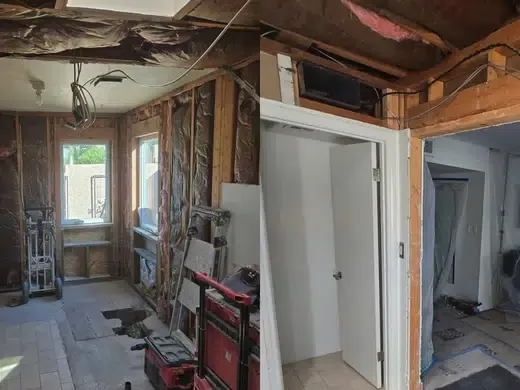
After a burst pipe or a heater failure, the plumber stops the water and the drying starts. This page covers that second part: removing standing water, pulling out wet material and drying the structure, with a dedicated line for water damage calls.
Call (480) 806-2944 Water damage line (480) 581-1832 All plumbing services
- Licensed and insured plumbers
- Same-day service when available
- 24/7 emergency dispatch
What to do in the first hour
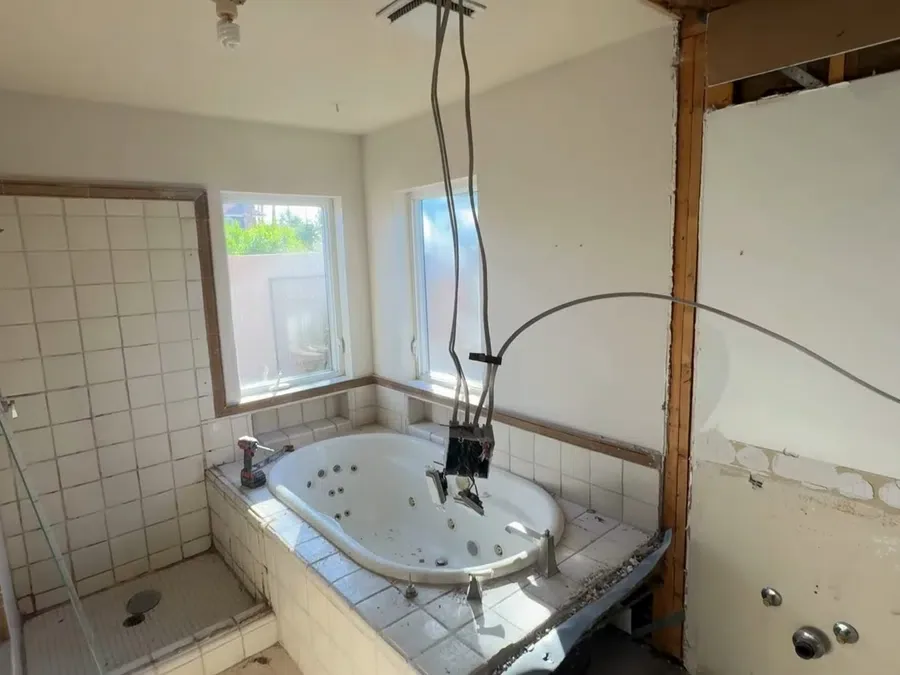
The first hour decides how much of the house stays dry. Stop the source, protect yourself, then protect what can be saved. Dry steps taken early make the drying job smaller.
- Shut off the main water valve if the source is a supply line or heater.
- Switch off the breaker for wet rooms, and keep clear of any pooled water close to electrical gear.
- Photograph the damage, including damaged belongings, before moving anything.
- Lift small items, rugs and furniture legs out of the water.
- Call the water damage line and describe where the water is and how long it has been there.
For water removal and drying, call the dedicated line. Call water damage line (480) 581-1832
If water has reached outlets, appliances or the panel, leave the room and call for help instead of wading in.
What removal and drying cover
The scope here is deliberately narrow. The work covers removing standing water, taking out wet material that cannot be saved, drying the structure and confirming it is dry. It does not cover rebuilding, replacing finishes or mold work, which are separate trades.
| Step | What it involves | Why it matters |
|---|---|---|
| Water extraction | Pumps and wet vacuums remove standing water | Stops water soaking further into materials |
| Material removal | Wet carpet pad, soaked drywall and insulation come out | Wet material that cannot dry in place holds moisture |
| Structural drying | Air movers and dehumidifiers run for days | Dries framing, subfloor and wall cavities |
| Moisture monitoring | Readings are taken until they match dry areas | Confirms the drying is done |
| Sign off | Equipment removed after the readings are normal | Ready for repair work |
Repairing or rebuilding the affected areas comes afterward and is handled by a separate contractor. Ask the plumber for the moisture readings so the repair contractor knows the structure is dry.
Water on the floor or in the walls? Call now.
The dedicated line is answered day and night, with advice for the wait.
Call (480) 806-2944Where water damage starts: leaks, heaters and fixtures
Most residential water damage traces back to a plumbing failure. A burst supply line, a failed water heater tank, an overflowing toilet or a long unnoticed leak behind a wall will all wet a house. Stopping the source is a plumbing job.
A leak that has been running for a while is found with leak detection, covered under finding a hidden leak, and a burst line is repaired under whole-house repipe. A tank that has failed and flooded a closet is a case for water heater replacement. Drying happens after the source is fixed.
Clean water, gray water and sewage
The kind of water changes the risk. Clean water from a supply line is the least hazardous. Water from a washing machine or dishwasher carries soap and food residue. Sewage backup carries bacteria, and rooms affected by it need extra care and often removal of porous materials.
Tell dispatch where the water came from. If the source was a sewer backup, keep people and pets out of the area and avoid contact with the water. A camera check and repair of the line follows under sewer line problems.
Assessment and mitigation: what happens on site
Water mitigation starts with a full water damage assessment and inspection, and the category of water decides what the coverage of the drying work includes. The crew checks where the water traveled, reads moisture in the walls and floor, and decides what category of water they are dealing with. A ceiling water damage inspection is part of it when water came through from above, because a stained ceiling often hides wet insulation.
Emergency water extraction follows, whether the water came from a bathroom leak, a flooded garage or a collapsed ceiling. Flood cleanup in this sense means removing the water and the wet material that cannot dry in place. Sewage cleanup is limited to water removal and taking out contaminated porous material, and anything beyond that is a separate contractor.
Mitigation coordination matters when other trades are involved. The moisture readings and photos pass to the repair contractor and the insurer, so nobody has to guess whether the structure is dry. For a stain with no obvious source, a leaky ceiling causing water stains is traced with leak detection before drying begins. If you want to get immediate water damage assistance, call the line above.
Documenting damage for your records
Records help later, whether you deal with an insurer or a repair contractor. Take wide photos and close photos of every wet area, list damaged belongings and keep any parts that failed, such as a burst supply line or a hose.
- Photos of the source of the water
- Photos of every wet room and surface
- A list of damaged belongings and their approximate value
- The failed part, kept in a bag
- The date and time you found the water and shut it off
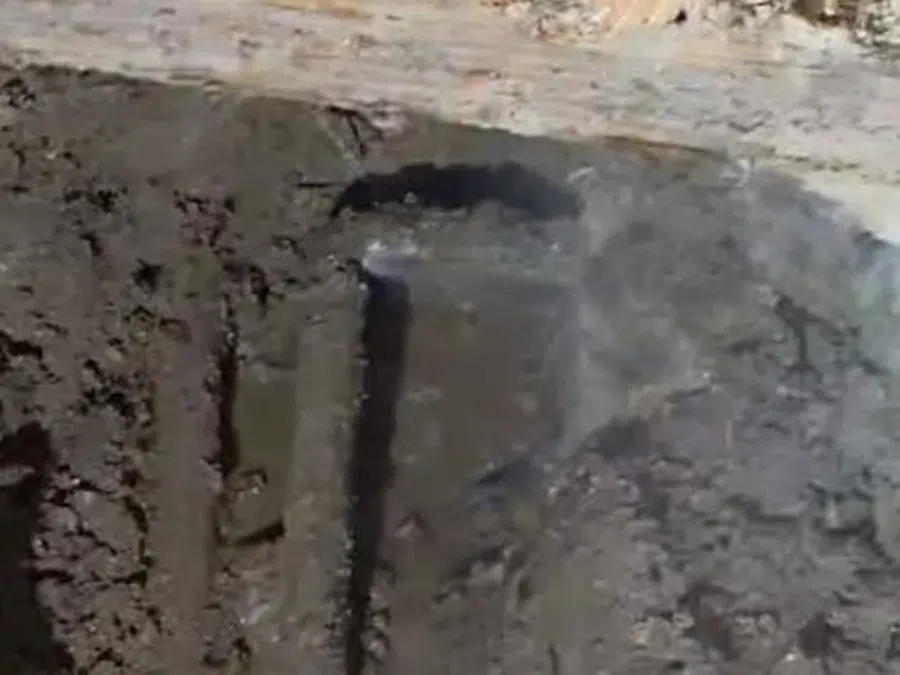
Do not throw away damaged carpet, pad or drywall until the photos are taken and the removal plan is agreed, since some insurers want to see the material or the measurements. Keep receipts for emergency purchases such as fans, plastic sheeting and temporary lodging as well.
The plumber or the drying crew can add moisture readings and a description of the work to your file. Ask your insurer what documentation it needs before any removal starts.
Water damage questions answered
How fast do I need to start drying after a leak or flood?
As soon as the water source is stopped. Wet drywall, carpet pad and insulation hold moisture, and the longer they stay wet the more material is affected. Drying work that begins within the first day usually saves more of the structure than work that waits.
What does water damage removal and drying involve?
The crew removes standing water, takes out materials that cannot be dried in place, sets air movers and dehumidifiers, and monitors moisture until readings come down. The work covers removal and drying only. Rebuilding walls, floors and finishes is done by a separate contractor.
Can I do the drying myself with fans?
For a very small, clean spill on hard flooring, yes. For anything that reaches carpet pad, drywall or insulation, household fans rarely dry deep enough. Trapped moisture in a wall stays behind the surface, so professional equipment and moisture readings matter.
Is it safe to stay in the house after a leak?
It depends on the source. Clean supply water is far less of a concern than sewage backup. Keep out of rooms with water near outlets, avoid standing water where electrical equipment is, and ask the dispatcher whether it is safe to stay when you call.
Does a plumber stop the leak first?
Yes. The source must be stopped before drying makes sense, or the area just gets wet again. The plumber shuts off and repairs the leak, then drying begins, so the two jobs follow each other.
Need the structure dried after a leak? Call the water damage line.
Say where the water came from, which rooms are wet and for how long.
Call (480) 806-2944Water damage in Rio Verde? Call now.
Stop the water first, then call. Dispatch arranges removal and drying and tells you what to do in the meantime.
- Licensed and insured plumbers
- Same-day service when available
- 24/7 emergency dispatch