24/7 Emergency Line Open
Emergency Slab Leak Detection in Rio Verde, AZ
A warm spot on a bare floor, the faint sound of running water at night or a meter that will not stop turning is how most slab leaks first get noticed. The first job is to confirm that the line really runs under concrete, then to find the leak without breaking up more floor than the repair needs.
Call (480) 806-2944 All plumbing services
- Licensed and insured plumbers
- Same-day service when available
- 24/7 emergency dispatch
Is the leak in the concrete? Confirm what you have first
A slab leak means a water line that runs in or under a poured concrete foundation. Whether your house has one is a fact about your house, not your ZIP code. Check the original plans, look for a crawlspace access panel or a raised floor, or ask the plumber, who can usually tell within minutes. If the home is on a raised foundation, the same symptoms point to a different and easier repair, covered under leak detection and repair.
Signs that justify a slab leak check
- A warm or hot patch on the floor, often along the route a hot water line takes
- A water meter that moves with every fixture and appliance turned off
- The sound of running or hissing water when the house is quiet
- Damp flooring, lifted laminate or a musty smell with no source above
- A hot water supply that runs out faster than it used to
- A water bill that rose for no change in use
A floor that is hot underfoot can mean a hot water line is leaking. Keep children and pets off the area, and turn off the water heater if the warmth spreads.
Locating a leak beneath a floor without guessing
Accurate location is what keeps the repair small. Guessing and opening the floor in several places costs more than any other step, so detection comes first. The plumber begins by isolating the water: shutting the main, then closing the hot and cold sides separately to see which one drives the meter.
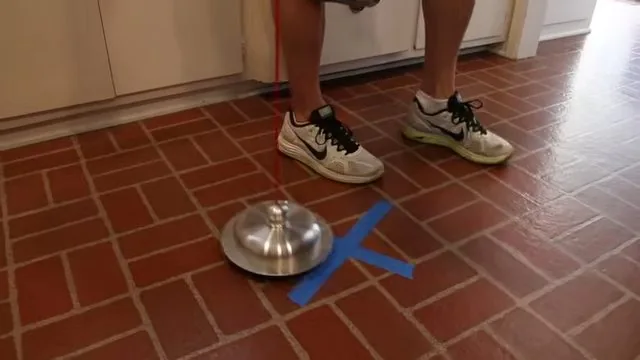
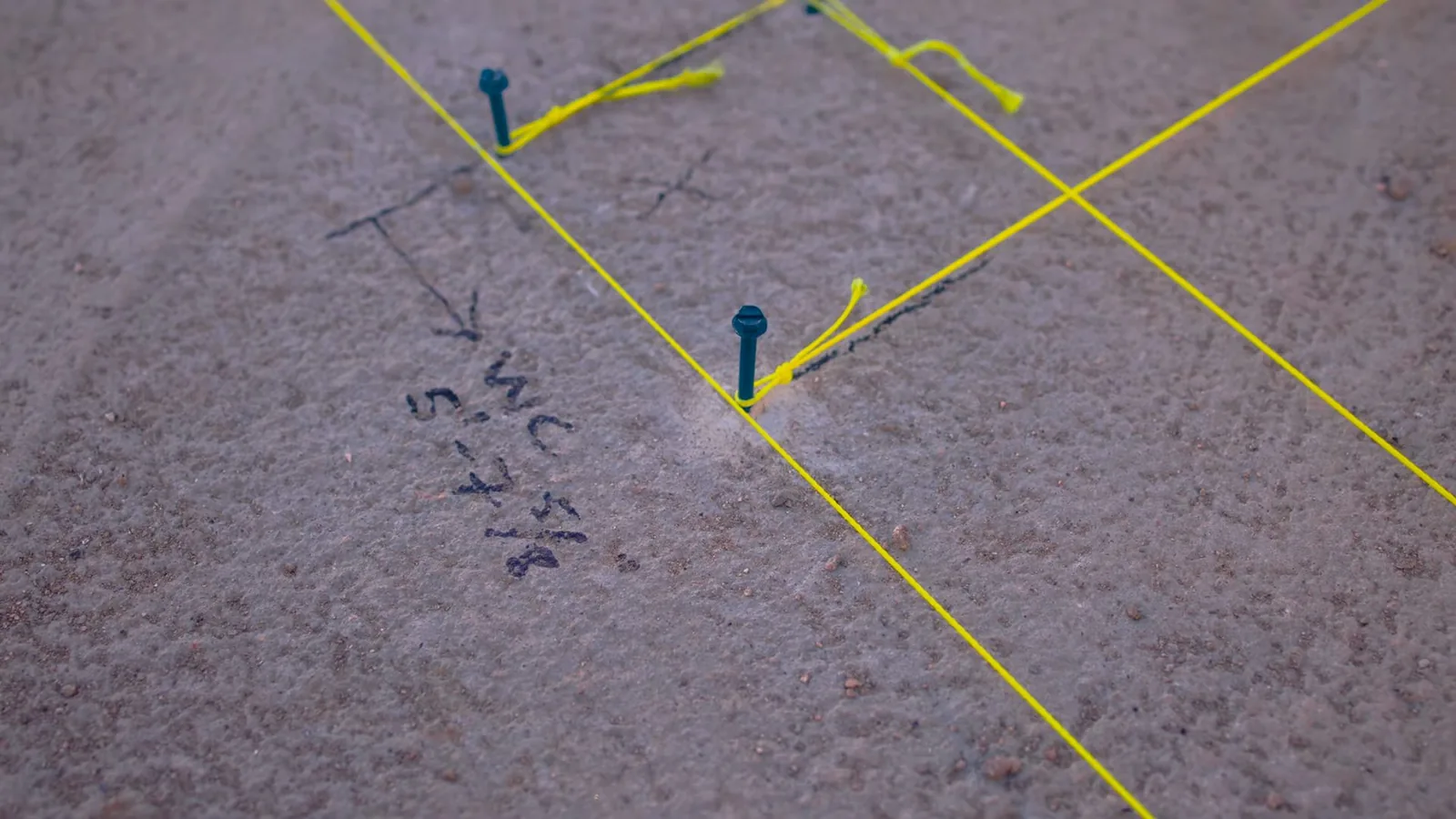
Electronic listening equipment then follows the suspect line across the floor. A leak in a pressurized pipe makes a distinct sound that is loudest directly above the break. Thermal imaging adds a heat map for hot lines, and a pressure test on each branch confirms which section is losing water. The plumber marks the spot on the floor so you can see exactly where any work will happen.
- Confirm the foundation type and the route of the water lines.
- Isolate hot and cold supply and read the meter on each.
- Listen along the line with electronic equipment.
- Cross-check with thermal imaging or a pressure test.
- Mark the leak location and explain the options before cutting.
If you need a written record, ask for the leak location and the cause to be noted on the invoice. Policies differ on whether they cover access and repair after a slab leak, so ask your insurer before work begins and keep the plumber's report with your claim papers.
Slab leak repair: tunnel, reroute or lining?
There are three common ways to fix a leak beneath a floor, and no single one suits every house. The right choice depends on the pipe material, how many times the line has leaked and how much of the floor can be opened.
| Method | How it works | Suits | Trade-off |
|---|---|---|---|
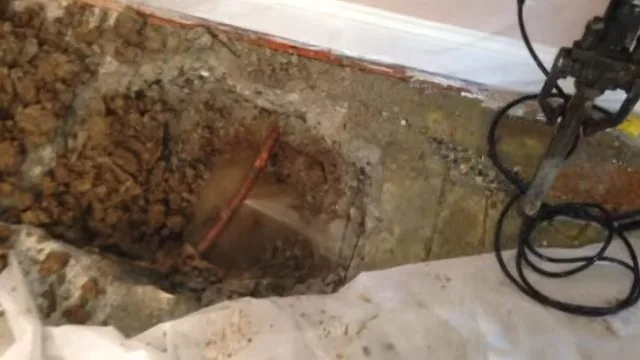
| Spot repair | The floor and concrete are opened above the leak and the pipe is repaired in place | One leak, clear access, a floor that is easy to replace | The floor needs patching afterward and the neighbouring pipe stays old |
| Reroute | The failed line is abandoned and a new line runs through walls or the attic | Repeat leaks on the same line, or a hard-to-reach route | Walls or ceilings need access, and new lines are exposed rather than buried |
| Pipe lining | A coating is applied inside the existing pipe to seal pinholes | Straight runs of pipe that are otherwise sound | Not suited to every material or to badly damaged pipe |
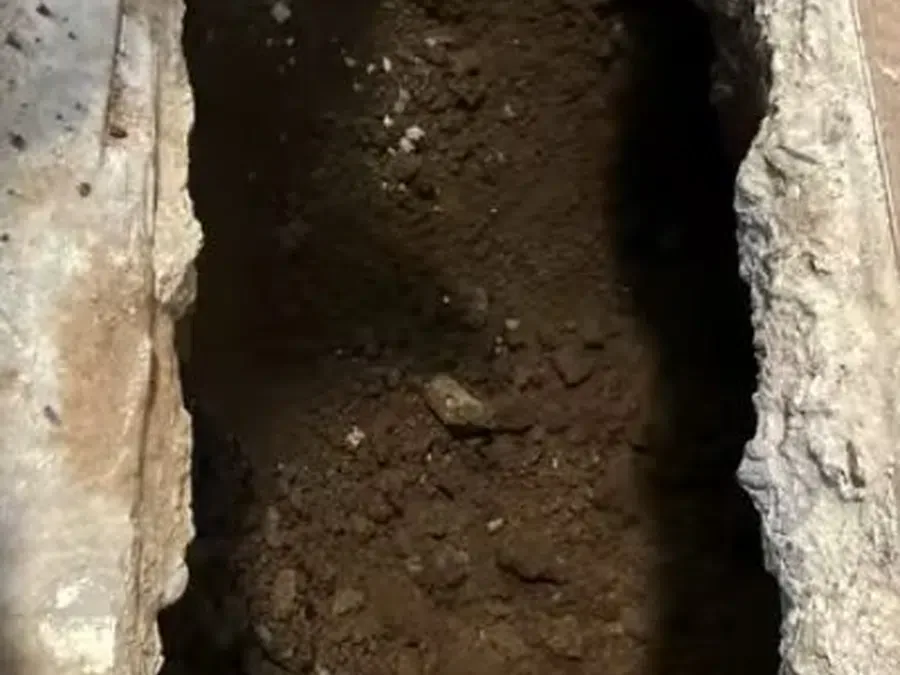
| Tunnel | A tunnel is dug beneath the slab from outside to reach the pipe | A leak under a floor that should not be opened | Slower, and it needs open ground near the house |
After two or three leaks on the same system, a reroute or a full repipe often makes more sense than another spot repair. Once the leak is fixed, standing water in the structure needs removal and drying, which belongs under water damage service.
Spotting a slab leak early means acting on the first warm floor patch or the first unexplained bill rise. A residential slab leak inspection starts with the symptoms and ends with a written location, not a guess. Foundation leak inspection of this kind uses listening equipment and pressure tests on each line, and the findings point to slab leak solutions that match the pipe: a reroute around the damaged run, a spot repair or a liner.
Active slab leaks are treated as urgent calls. If the water is running, shut off the main valve and phone (480) 806-2944.
Hot floor or a meter that will not stop? Call dispatch.
A plumber serving your area can confirm the leak and explain the repair options.
Call (480) 806-2944Slab leak questions answered
What does a slab leak look like?
Most of the time you see it indirectly. A patch of floor that feels warm, a damp spot on flooring or carpet with no source above it, a sound like running water when everything is off, or a water bill that jumps without explanation can each point to a leak in a line beneath the floor. Visible puddles are less common, because the concrete holds the water until it finds a path.
How do I know if I have a slab leak and not a different leak?
First confirm the house has a slab. Then close every fixture and check the meter. If the meter moves and the water heater, toilets and sinks are all dry, the leak is in a buried or concealed line. Warm floor patches suggest the hot side, while a steady meter movement with no warm spots can mean the cold side. A plumber confirms the line and the location with listening gear before anything is cut.
Which symptoms mean I should call right away?
Call right away for a hot floor, water appearing at a baseboard or doorway with no source nearby, a sudden loss of pressure, or a meter that spins quickly with everything off. Those point to active flow. A slowly rising water bill can wait for a scheduled visit, though the loss continues until it is fixed, so do not wait long.
Can a slab leak be fixed without breaking the floor?
Sometimes. A plumber can reroute the failed line through walls or the attic, line the pipe from the inside, or tunnel beneath the slab, which keeps most of the floor intact. Which method fits depends on the pipe material, how far the line runs and how many times it has leaked. The plumber lays out the choices and the access each needs before work begins.
Want the leak located before you decide on a repair?
Ask dispatch about a leak location visit, then choose the repair with the facts in hand.
Call (480) 806-2944Think there is a leak under your floor?
Call the dispatch line, describe the warm spot or the meter movement, and dispatch plans a leak location visit around it.
- Licensed and insured plumbers
- Same-day service when available
- 24/7 emergency dispatch